Medronho, honey and pottery: typical arts and crafts from the Algarve and the uplands of the Serra do Caldeirão

Every region has its own particular characteristics and typical products that set it apart from others and mark its identity. So, from among the many possible options, we have tried to select a few to tell you about. It took us ages to make up our minds but we eventually settled on our gorgeous and embracing Serra do Caldeirão uplands.
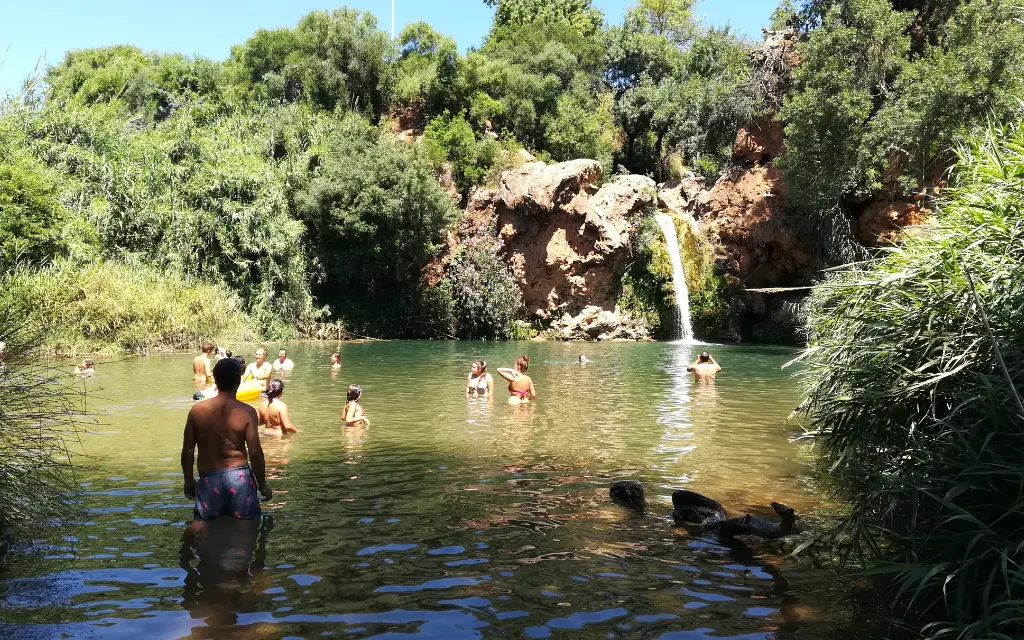
Just over half an hour away from Golden Club Cabanas, you can explore a vast array of landscapes, see typical fauna and flora, sample some regional food and drinks such as honey or the arbutus-berry brandy called medronho, and discover traditional local handicrafts such as pottery.
Let’s start by telling you a bit about the Serra do Caldeirão. These uplands stretch across two regions: the Baixo (or Lower) Alentejo and the Algarve. Consisting of low hills – about 575 metres high – they serve as a viewpoint offering a magnificent panorama of the uplands and the plains of the Algarve. In addition to the various vestiges from the Neolithic period, in the municipality of Alcoutim you will also find some remnants of mines that are still in good condition, since mining was carried out in the region for many years.
The typical whitewashed Serra do Caldeirão houses are made of stone, with cane roofs consisting, usually, of a single slope. Interestingly, you can still see traces of the old rural way of life throughout the uplands. Look out for such features as stone huts, watermills, irrigation channels, weirs, windmills and even communal ovens.
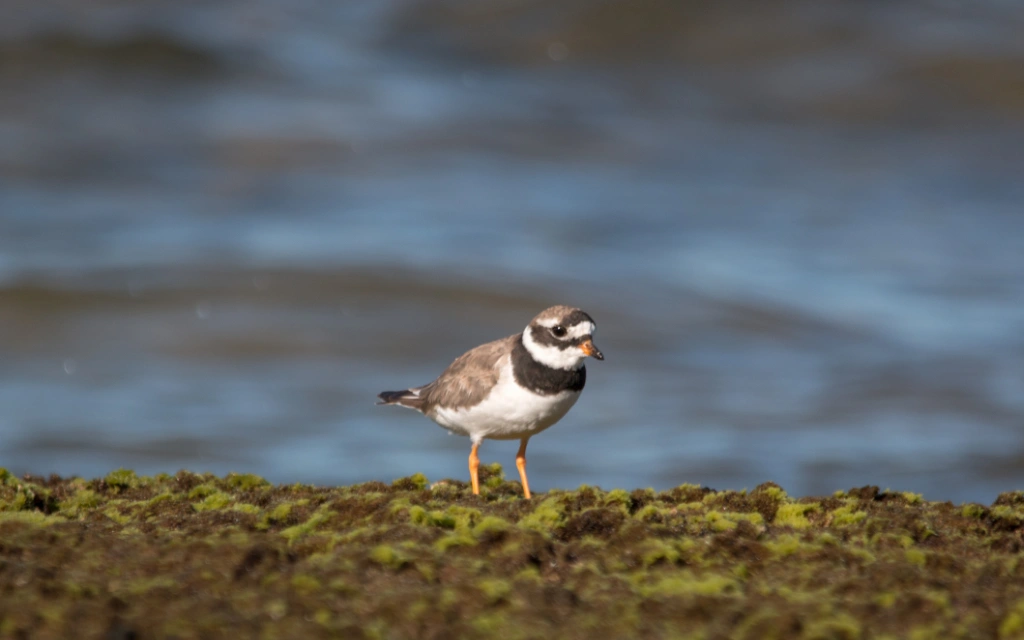
Where fauna is concerned, you may spot otters, deer, wild boar, eagles, storks and a wide variety of toads. As for the flora, you will most commonly see cork oaks, Portuguese oaks and strawberry trees, as well as orange and almond trees thanks to the Moorish influence. We are going to focus precisely on the strawberry tree and orange tree, and we bet you already know why, don’t you?
Arbutus-berry brandy (called medronho in Portuguese), so typical of the Algarve, is produced by distilling the fermented fruit of the strawberry tree, whose specific characteristics give the drink its distinctive quality. It is still produced in the artisanal manner brought by the Moors, using slow fire and copper stills with thin, curly tubes. All of which make the Algarve’s medronho a unique product that stands out from the rest.
Still on the subject of the flora, let’s move on to the orange trees; not because of the famous Algarve oranges but, rather, orange blossom honey, and French lavender honey too. What makes them so special? Just like the strawberry tree, the characteristics of the terrain and the climate are what make these products stand out, resulting in honey that is deliciously aromatic. Orange blossom honey is considered a mild-flavoured nectar honey that is a translucent golden yellow colour and particularly rich in mineral salts. It is harvested from late May to mid-July and is then left to rest until September/October, at which time it is centrifuged and packed in glass jars. Meanwhile, the Algarve’s French lavender honey is produced from wild upland species of lavender and has an intense sweet aroma. Viscous and succulent, it has a translucent golden appearance.
Moving on now to the typical Algarve red pottery, this is made of clay, which is not only a natural and very eco-friendly raw material but also offers excellent properties and durability. For thousands of years, food was cooked and served in pottery recipients. Although such items are still used to make and serve food, it is more common nowadays to see them used as decorative pieces due to the various motifs and designs that typically embellish them, most of which are still done by hand. Interestingly, and precisely because of the artisanal production process, it is very rare to find two pieces that are exactly the same.
Now here’s a challenge for you: when you visit the Serra do Caldeirão, which of these crafts are you going to want to see first?
Similar Posts
Ideas to dream about and itineraries to bring them to life: from sunrise over the Ria Formosa to the best family experiences — all in one blog.